Skip to content

AC power suits sprawling O.B-cities reliant on REMOTE power generation
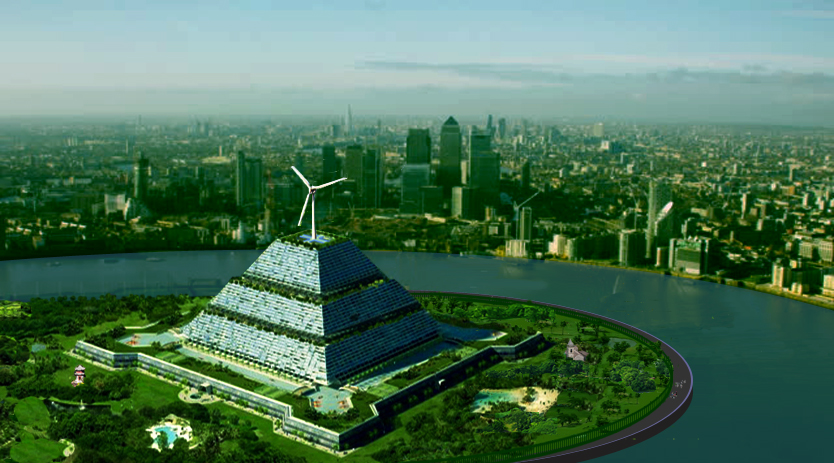
DC power suits compact O.A-cities with ON-SITE power generation

In the early days of electricity generation there was a furious rivalry – known as the “War of the Currents” – between Thomas Edison (DC) and Nicola Tesla (AC). Edison claimed, with some justification, that AC was dangerous and even stooped to publicly electrocuting an elephant to prove his point.
In those days there was no “national grid” (as it came to be known later in the UK). Power generating plants were many, but small, and each one only served a small local area by “Direct Current”. DC was, and is, ideal for local transmission but inefficient – due to power loss – for long distance transmission. But, as more and more physically dispersed locations demanded electricity, DC was eventually supplanted by Alternating Current. AC is more efficient for long distance power transmission, thus permitting much larger and thus more efficient, but physically remote, power generating stations. AC became dominant due to DC being unsuitable for long distance transmission. Which is where we still are today.
Despite the fact that solar and wind power stations produce DC power – whilst computers, LEDs, solar cells and electric vehicles all operate on DC power – AC continues to predominate due to our nation-wide electrical grid and long distance power transmission lines, despite all this extensive infrastructure being very costly and wastefully inefficient.
With “on-site” power generation – and thus independence from the power grid – OΔCities could be run entirely on safer and more efficient DC power
OASIS-CITIES WILL BE POWERED BY DC, WHICH IS BOTH SAFER AND MORE EFFICIENT THAN AC FOR SHORT-RANGE POWER TRANSMISSION.
AC disadvantages
-
- Heavier, more complex generating equipment
- Power loss thru transformers, sub-stations, and transmission lines
- Thicker wires and cables are required
- High extra cost of all the above equipment
- Loss of power via heat due to the oscillating motion of AC
- DANGER (high voltage)
DC advantages
-
- More efficient for Micro-Grids
- Constant voltage, no surges, less likely to damage equipment
- Less power-loss from resistance (short transmission distances)
- Lower voltages means thinner wires and cables, thus big saving on materials such as copper.
- Can be stored in batteries
- SAFER (low voltage, especially for domestic usage)
- Transmission equipment is simpler and less expensive
- All energy storage devices – batteries, flywheels, compressed air, etc, are based on DC
DC power is produced by Solar panels, Wind turbines, and all renewable-energy systems.
Welcome to yet another no-brainer advantage of OA-Cities..!